U.S. consumer spending was essentially flat in October, with households pulling back on big-ticket items, including motor vehicles, as the holiday season approaches. The slowdown comes amid rising inflation and expectations of further Fed rate hikes.
Key Takeaways
- Personal spending in October was unchanged from September, with motor‑vehicle purchases showing a notable decline.
- Core PCE inflation rose 3.3% year‑over‑year, the largest increase since 2023, fueling expectations of rate hikes in December and early 2027.
- The economy grew at a 4.3% annualized pace in Q3, the strongest in three years, driven by consumer spending and business investment.
- Households’ real disposable income rose to a three‑month high, boosting saving rates despite the slowdown.
- Retailers, including Target, are adjusting prices and promotions to attract budget‑conscious shoppers.
Context & Details
The Bureau of Economic Analysis released data showing that while overall personal consumption remained steady, the motor‑vehicle segment experienced a pullback. This trend mirrors broader caution among consumers facing higher costs for food, gasoline, healthcare, and housing.
Inflation‑adjusted spending in October mirrored September, but the underlying PCE index—excluding food and energy—climbed 0.3% month‑over‑month and 3.3% from a year earlier. The Fed’s preferred gauge of core inflation suggests that inflation is accelerating, prompting policymakers to consider tightening monetary policy.
Despite the October lull, the economy’s growth rate remained robust. Gross domestic product rose 4.3% annualized in Q3, the most in three years, as business investment surged. Consumer spending revisions were also higher, reflecting resilient demand in the broader economy.
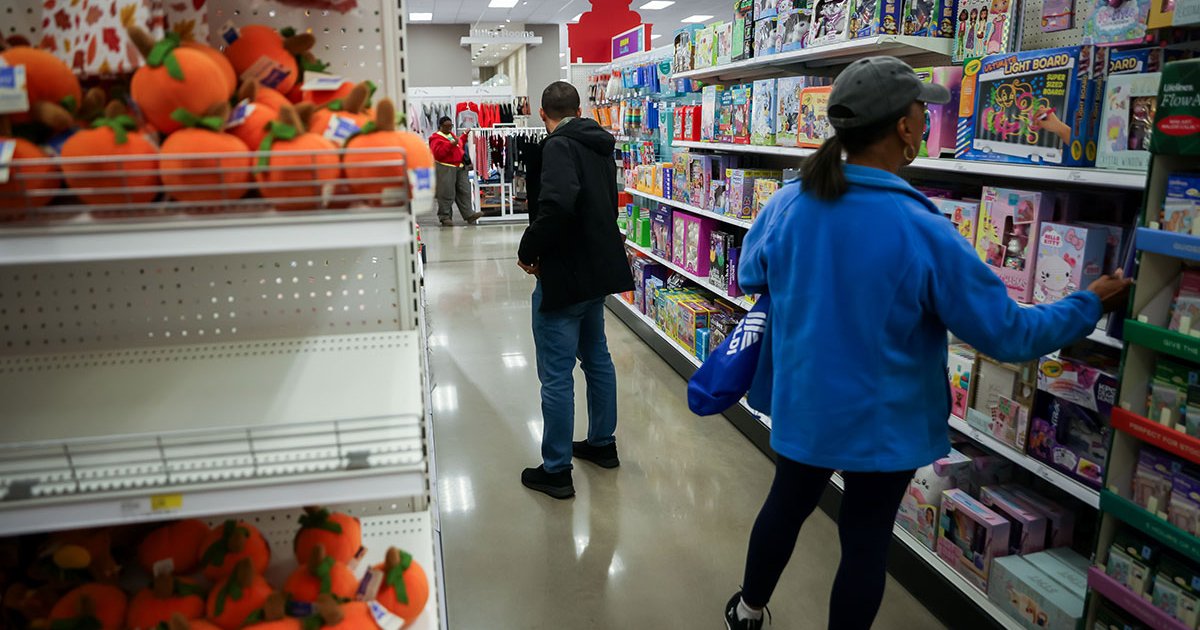
Retailers have responded to cost‑concerned consumers by holding prices steady and offering deals. Target, for instance, lowered prices on nearly 2,000 items in the third quarter, a move aimed at keeping shoppers engaged as they plan holiday purchases.
What to Watch Next
Automotive buyers will likely monitor the upcoming holiday period closely, as retailers and manufacturers may introduce seasonal incentives to counter the October dip in vehicle sales. The Fed’s December policy meeting and potential rate increases could further influence consumer financing costs and vehicle demand.
Industry observers should also track how the automotive sector adapts to the broader inflationary environment, particularly in pricing strategies and inventory management, to maintain sales momentum during the holiday shopping season.