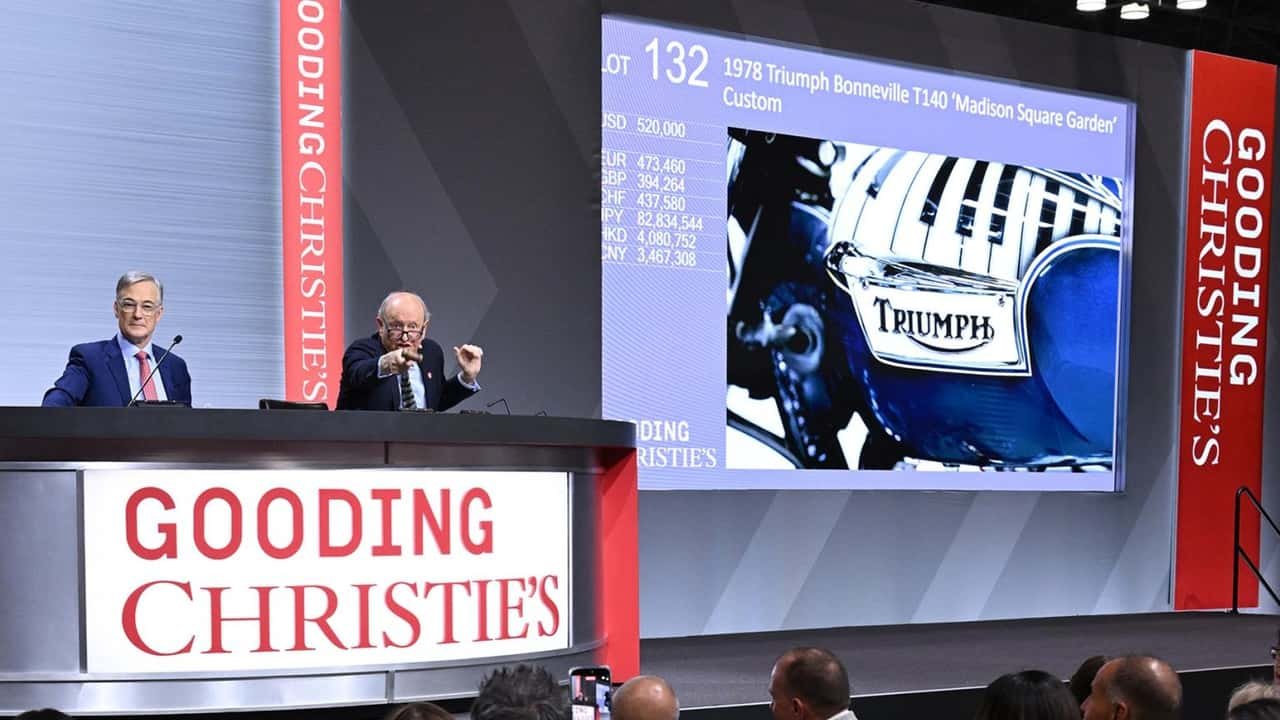
Billy Joel, the celebrated ‘Piano Man’, recently turned the spotlight onto a different kind of instrument: a collection of motorcycles. The artist’s auction, held to support various philanthropic causes, drew attention from collectors, fans, and the media alike. While the event featured several bikes, one particular model captured headlines by crossing the half‑million‑dollar threshold.
In an era where celebrity auctions can range from modest to multimillion‑dollar affairs, Joel’s bid stands out not only for the price achieved but also for the purpose it served. The proceeds were earmarked for charitable initiatives, underscoring a growing trend of high‑profile individuals leveraging their personal assets for social impact.
What Stands Out
The most striking element of the auction is the final hammer price. The motorcycle in question exceeded $500,000, a figure that places it among the most expensive privately sold bikes of the year. This sale demonstrates the enduring appetite for rare and well‑preserved motorcycles, especially when coupled with a charitable narrative.
Another noteworthy aspect is the celebrity factor. Billy Joel’s name carries weight beyond the music industry, and his involvement has amplified media coverage. The auction’s blend of pop culture and vintage motorcycling created a unique event that appealed to a broad audience.
Pricing, Specs & Practical Impact
While the auction results reveal a clear market value, specific technical specifications of the motorcycle were not disclosed in the public record. Consequently, the price reflects the vehicle’s rarity, provenance, and the auction’s charitable context rather than its mechanical performance.
From a practical standpoint, the sale underscores the liquidity of collectible motorcycles in a niche market. For collectors, a high auction price can signal strong demand and validate investment potential. For the broader industry, such transactions highlight the importance of provenance and event marketing in driving premium pricing.
Buyer & Industry Outlook
Although the buyer’s identity remains private, the transaction signals confidence among collectors willing to pay premium prices for iconic pieces. The auction’s charitable component may encourage future buyers to participate in similar events, knowing that their purchase supports a cause.
Industry observers note that philanthropic auctions can create a virtuous cycle: the prestige of a celebrity host, the allure of a rare motorcycle, and the appeal of contributing to a good cause combine to elevate bidding activity. As more collectors seek socially responsible investment opportunities, the intersection of vintage motorcycling and philanthropy may grow in prominence.
Looking ahead, the motorcycle market is likely to continue benefiting from high‑profile sales that capture public imagination. Auction houses may increasingly partner with artists and public figures to curate events that blend culture, heritage, and charity, potentially setting new benchmarks for collectible motorcycle pricing.