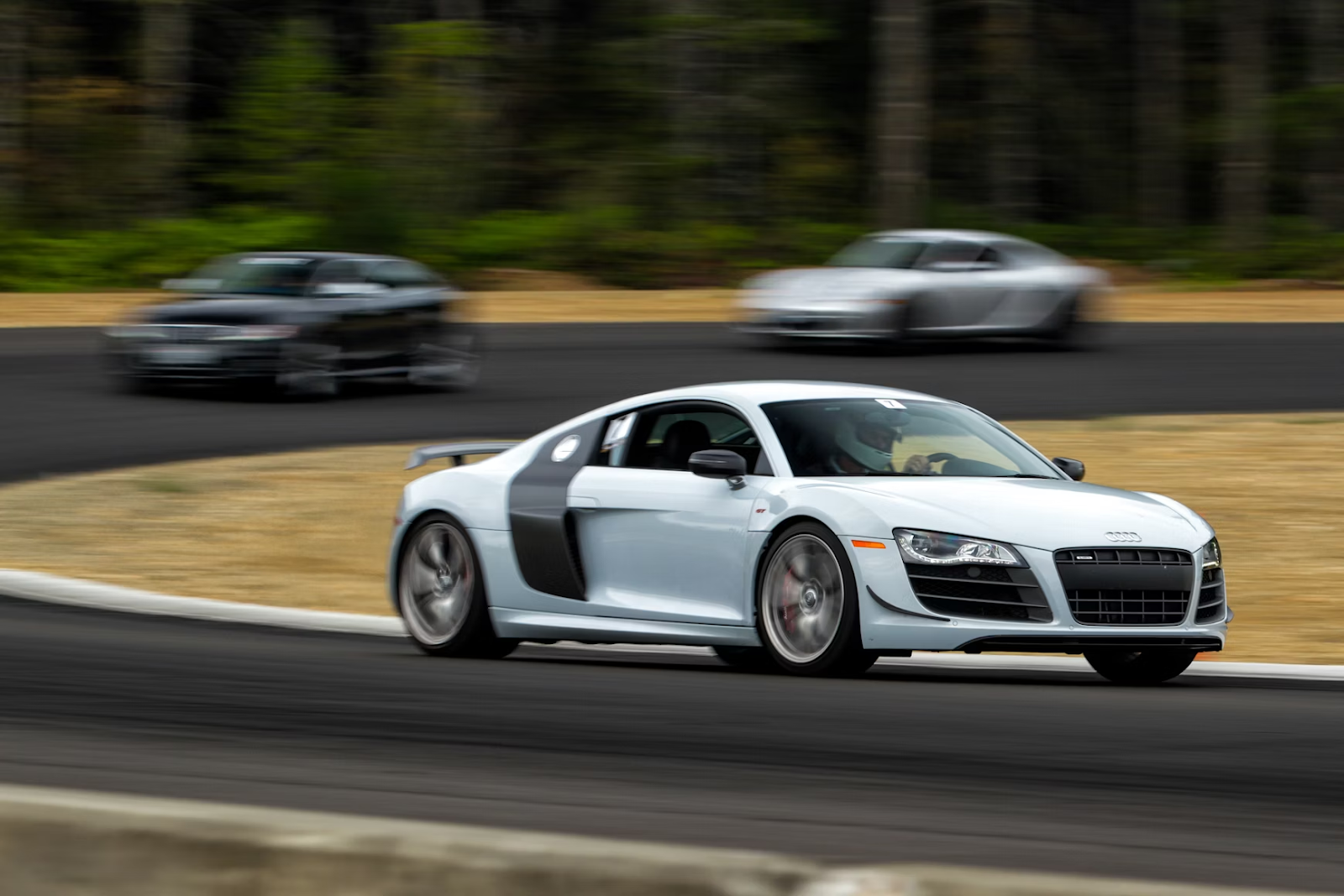
In the world of high-performance cars, the engine’s power is only part of the equation. The real magic happens when that power is translated into traction on the road. The recent post on The Car Spotter Blog explains why grip is the linchpin of safety, performance, and driving enjoyment, and it offers practical steps for enthusiasts to maximize their vehicles’ contact with the pavement.
The core message is clear: a 600‑bhp engine can feel exhilarating, but without sufficient grip it can become a dangerous, unpredictable machine. Whether you’re chasing lap times on a closed circuit or navigating wet city streets, the amount of friction your tyres can generate determines how much lateral force you can apply in a corner and how safely you can exit it.
Reported Details
The post outlines the three primary contributors to tyre grip: vehicle weight, tyre compound, and road surface. It notes that slick tyres perform best in dry conditions, while all‑season tyres offer a compromise that may not excel in extreme weather. The article also highlights the role of suspension and chassis stiffness, pointing out that stiffer setups improve grip but can compromise ride comfort, whereas softer suspensions offer a smoother ride at the cost of cornering performance.
Key Highlights
- Grip is essential for safety, preventing skids on ice and other hazardous conditions.
- Higher grip allows faster cornering speeds and more predictable handling.
- Driving enjoyment is enhanced when a car behaves predictably under power.
- Key grip determinants: vehicle weight distribution, tyre compound, tread depth, and road surface.
- Suspension stiffness affects both grip and ride quality.
Status & Next Steps
For drivers looking to improve grip without major modifications, the article recommends a set of straightforward actions. First, adopt sensible driving habits: avoid hard braking and aggressive cornering, especially on wet or uneven roads. Second, activate traction control if the system is available; it helps regulate wheel spin by adjusting power delivery. Third, maintain adequate tread depth to ensure water evacuation and reduce aquaplaning risk. Finally, keep tyre pressure within manufacturer‑recommended ranges to preserve optimal contact patches. By following these guidelines, owners can enhance their vehicles’ traction, safety, and overall driving pleasure without costly upgrades or extensive mechanical changes.