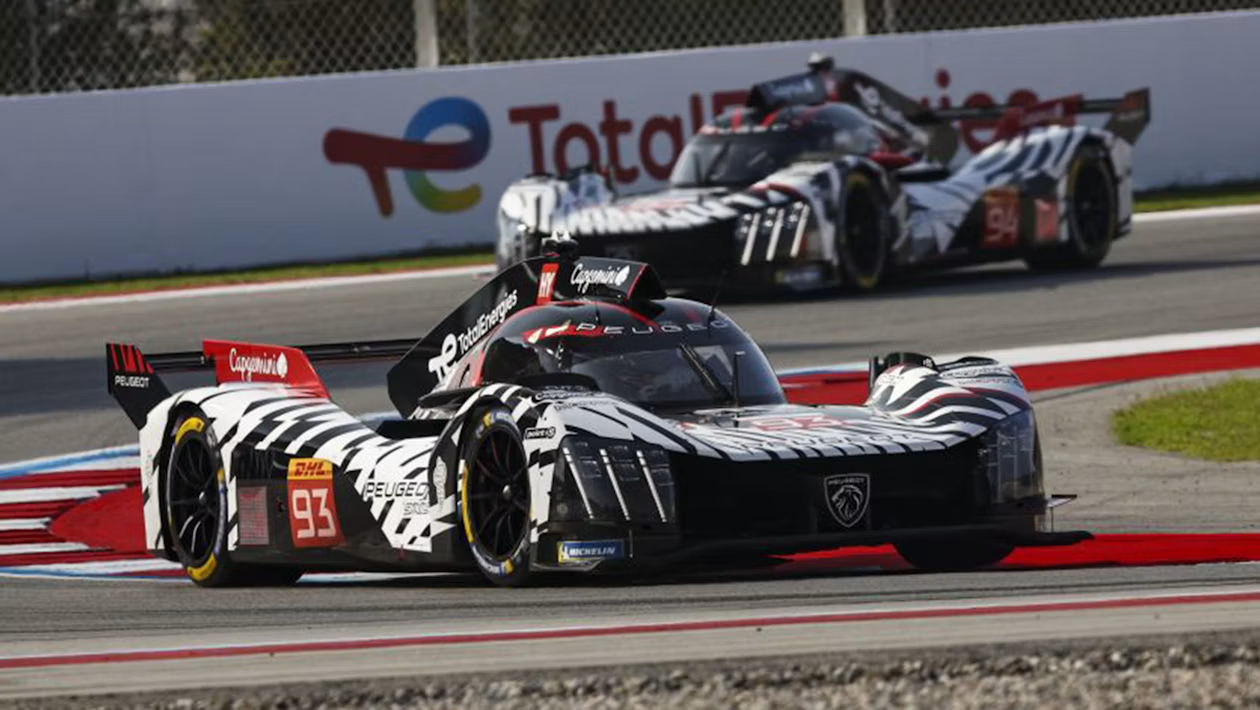
Stellantis has announced a sweeping change to its motorsport strategy, pulling the plug on its Peugeot 9X8 World Endurance Championship entry and ending Citroën and Opel’s Formula E participation after the 2027 season. The move comes as the conglomerate realigns its racing resources toward customer‑racing and road‑car performance, a shift underscored by the €60 billion FaSTLAne 2030 strategic plan.
While the decision marks the end of a four‑year return to endurance racing for Peugeot, it also signals a broader pivot for the group’s four French brands. Stellantis intends to redeploy the several hundred staff in its motorsport division to new projects, including the development of high‑performance road cars and customer‑race programs.
What Stands Out
The most striking element of the announcement is the scale of the planned shift. Stellantis is targeting 50 product introductions and updates in Europe, with 25 of those slated to be all‑new models. The group highlighted concept cars unveiled at the 2026 Paris Motor Show—such as the Citroën 2CV and the Peugeot E‑T16—as early examples of the performance‑oriented direction.
Key sub‑brands that may benefit from the new focus include Alfa Romeo’s Veloce and GTi, Lancia’s HF and Vauxhall‑Opel’s GSE lines. Although no concrete road‑car specifications have been released, the emphasis on translating racing expertise into tangible driving experiences suggests a future of higher powertrains, advanced aerodynamics and sharper handling.
Pricing, Specs & Practical Impact
Details on how the motorsport exit will translate into pricing or performance metrics remain scarce. The Peugeot WEC programme reportedly cost around €30 million annually and had yet to secure a victory in 29 races over four and a half years, underscoring the financial and competitive pressures that prompted the decision.
With the 9X8’s withdrawal effective immediately, there is no direct road‑car counterpart to draw from. However, the FaSTLAne 2030 plan’s focus on customer racing could lead to the integration of endurance‑tested technologies—such as lightweight composites, hybrid power‑trains and advanced telemetry—into future production models.
Buyer & Industry Outlook
For consumers, the shift could mean a new wave of high‑performance vehicles across Stellantis’s portfolio, potentially offering improved power, efficiency and driving dynamics. The company’s commitment to retain and redeploy affected employees suggests a smoother transition for those involved in motorsport development.
Industry observers note that the move aligns with a broader trend of manufacturers reallocating racing budgets toward product development amid tightening margins. While the immediate financial impact of the WEC exit is clear, the long‑term benefits of the FaSTLAne 2030 strategy remain to be seen as the group rolls out its 50 planned product updates.