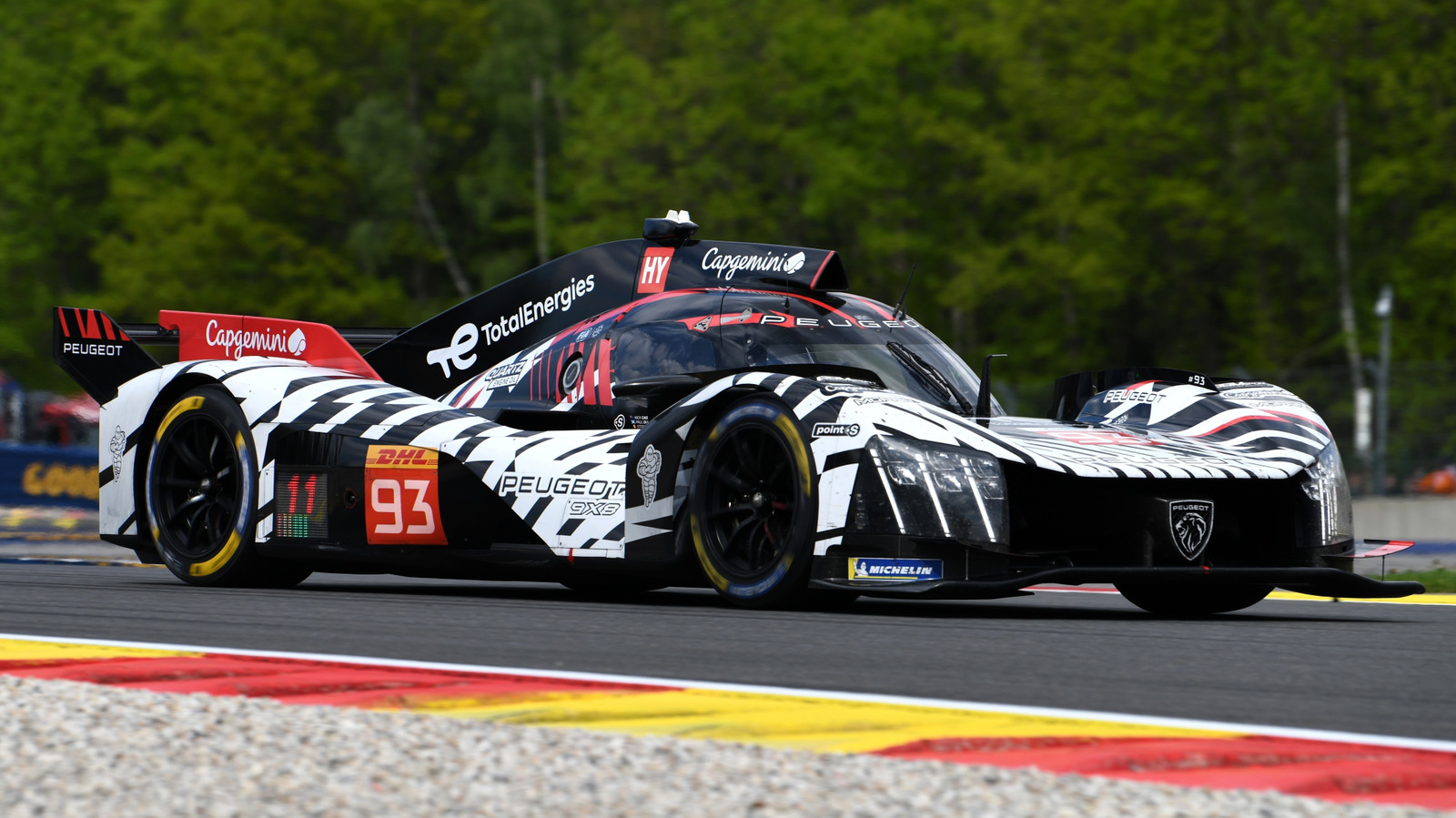
Stellantis is poised to slash a significant portion of its motorsport spend as part of a €6 billion ($6.6 billion) savings drive slated for 2028. The move comes after the company recorded a €311 million ($341 million) loss in the first quarter of 2024 in Europe alone, prompting CEO Antonio Filosa to question the return on investment from racing programs across its brands.
While the Dodge brand is set to return to NASCAR’s Cup Series next year, the conglomerate’s broader motorsport arm—encompassing the FIA World Endurance Championship (WEC), Formula E, and World Rally Championship (WRC)—faces a potential shutdown. This would mark a dramatic shift for brands that have traditionally relied on racing for brand visibility and engineering development.
What Stands Out
Stellantis Motorsport employs roughly 300 people and commands an annual budget of about €300 million ($329 million). The cost is considered high relative to the modest on‑track success of its flagship entries: Peugeot’s 9X8 Le Mans Hypercar has not secured a win in five seasons, and Citroën’s Formula E program remains in its infancy.
In contrast, Lancia’s rally program has seen a renaissance. The brand’s Ypsilon won Rally Croatia, Rally Islas Canarias, and Rally Chile, securing its first WRC victory in over three decades and ultimately taking the WRC2 team championship. The potential loss of this success would be a significant blow to the brand’s motorsport heritage.
Pricing, Specs & Practical Impact
Under the new strategy, Stellantis will prioritize investment in Jeep, Ram, Peugeot, and Fiat, allocating 70 % of future brand and product spend to these four marques. The remaining brands—Chrysler, Dodge, Citroën, Opel, Alfa Romeo—will continue to benefit from shared global assets and brand distinctiveness, while DS and Lancia will be managed as specialty brands under Citroën and Fiat.
The company also plans to launch more than 60 new vehicles and refresh 50 models by 2030, including 29 battery electric vehicles, 24 hybrids, 39 internal combustion or mild hybrids, and 15 plug‑in hybrids or range‑extender models. This shift reflects a strategic pivot toward electrification and profitability over racing exposure.
Buyer & Industry Outlook
For consumers, the potential withdrawal from motorsport may have limited direct impact, though brand enthusiasts may feel the loss of racing pedigree. Industry observers note that the decision underscores a broader trend of automakers reassessing the financial viability of high‑cost racing programs in a climate of tightening margins.
Should the Works Council approve the plan, Stellantis would become one of the few major manufacturers to exit European motorsport entirely, a move that could influence the competitive landscape of endurance, electric, and rally racing. The outcome will be closely watched by stakeholders across the automotive ecosystem, from suppliers to racing teams and fans alike.