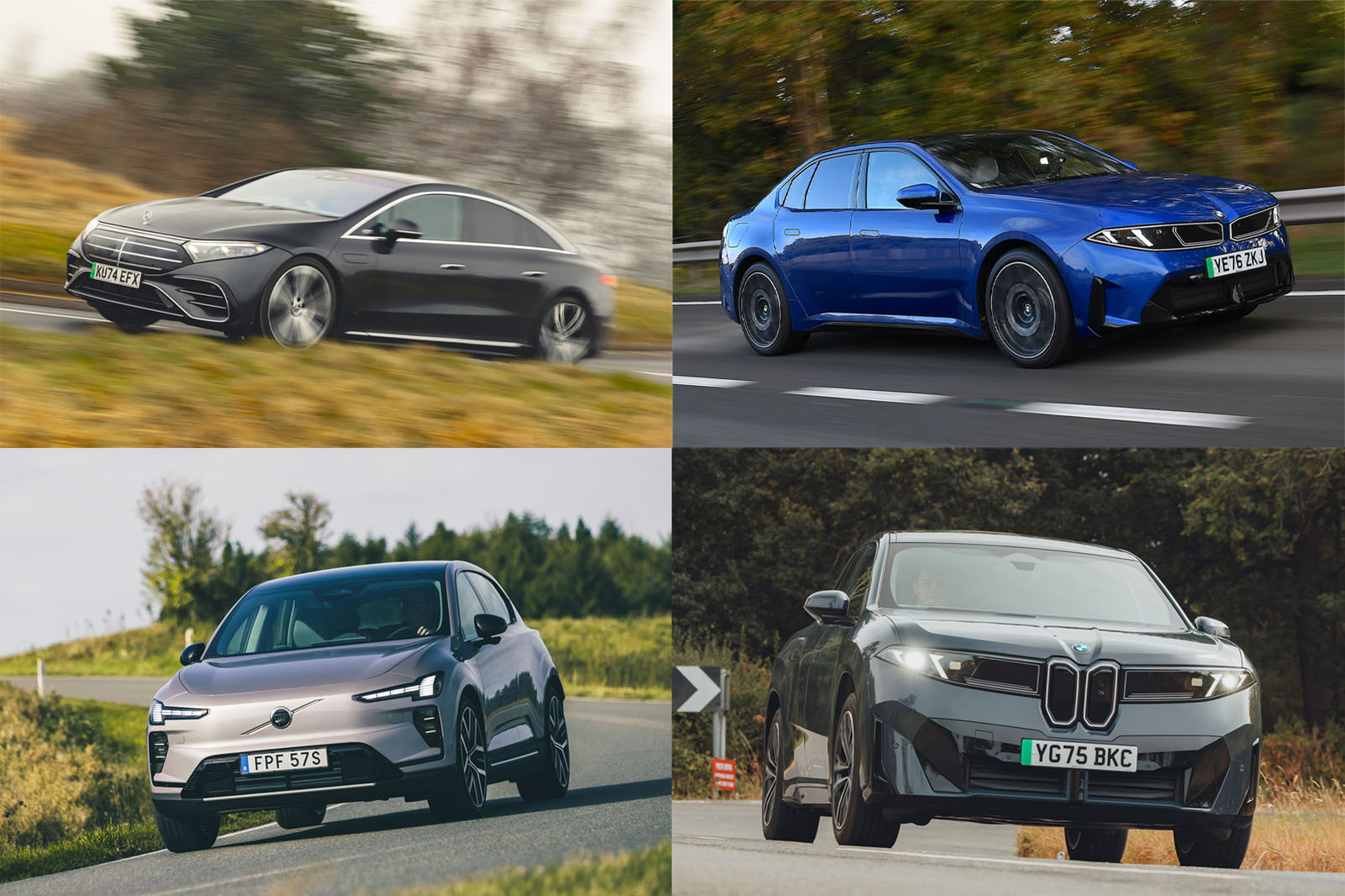
Range anxiety has long been a headline concern for electric‑vehicle owners, and the conversation around it is still evolving. Even in 2026, many consumers still weigh the distance a battery can cover before needing a recharge.
Autocar’s latest roundup highlights the longest‑range models currently on sale, some boasting up to 575 miles per charge. The article attributes this leap to advances in aerodynamics, battery chemistry, and the adoption of 800‑volt electrical architectures.
What Stands Out
The list showcases several key innovations that push the limits of electric range.
- Improved aerodynamic profiles reduce drag and extend usable range.
- Higher‑energy‑density battery chemistries allow more miles per kilogram.
- 800‑volt architectures accelerate charging times and lower thermal stress.
- Integrated thermal management systems keep cells operating at optimal temperatures.
Pricing, Specs & Practical Impact
All vehicles featured in the roundup sit at the premium end of the market, reflecting their advanced technology and high performance.
While exact price points are not disclosed in the source, the models are positioned as flagship offerings for buyers seeking the longest possible range.
With 575‑mile figures, these cars eliminate most of the traditional range anxiety associated with daily commutes and long‑haul trips.
The 800‑volt systems also mean that a full charge can be achieved in a fraction of the time required by older 400‑volt counterparts, further reducing downtime for users.
Buyer & Industry Outlook
Consumer demand for long‑range EVs is growing, especially among those who prioritize flexibility without sacrificing performance.
Automakers are responding by investing heavily in battery research, aiming to push range figures even higher while keeping costs competitive.
Manufacturers also recognize that the premium segment is now a key battleground, where range, charging speed, and brand prestige intersect.
As range continues to improve, the market may shift toward a broader acceptance of electric vehicles, potentially easing the transition away from internal‑combustion engines.
In the near term, buyers will likely weigh the trade‑off between higher upfront costs and the convenience of extended driving ranges.
Industry analysts predict that the next wave of electric models will focus on balancing range with affordability, making EVs accessible to a wider audience.
Overall, the current lineup of longest‑range cars signals a turning point where range anxiety becomes a historical footnote rather than a daily concern.
These developments also underscore the importance of continued infrastructure expansion, ensuring that long‑range vehicles can be fully utilized across diverse geographic regions.